Understanding the Environmental Impact of Fencing
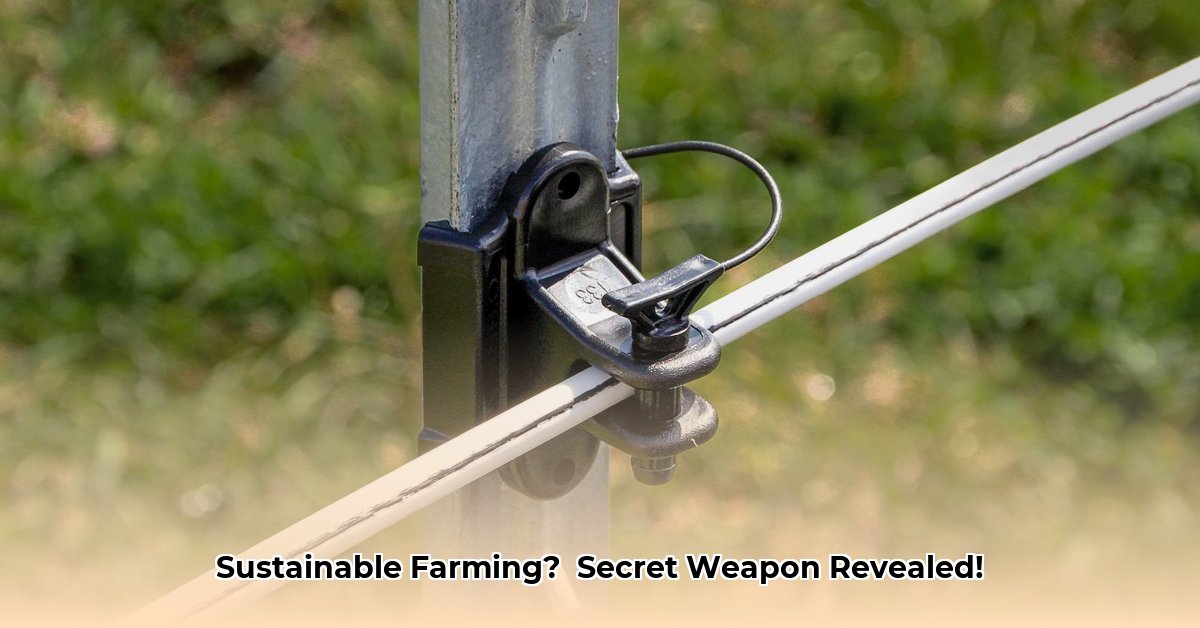
Building strong fences is essential for successful farming, but the environmental impact of fencing materials often goes overlooked. Steel T-posts, commonly sourced from retailers like Tractor Supply, are a staple, but their production, transportation, and eventual disposal contribute to a significant carbon footprint. This guide provides a framework for making more informed, sustainable choices when selecting and using T-posts for your farm. Have you ever considered the hidden environmental costs associated with your fencing materials? For more on sustainable farming practices, check out this helpful resource on raised garden beds.
The Sustainability Information Gap
A major challenge in choosing sustainable T-posts is the lack of readily available sustainability data from manufacturers and retailers. While Tractor Supply's 7-foot T-posts are comparable to similar products from Rural King and others in terms of size and construction, crucial information about their environmental impact—steel sourcing, manufacturing processes, and recyclability—is often missing. This information gap hinders farmers' ability to make truly informed, eco-conscious decisions. How can we build sustainable fences without knowing the environmental footprint of their core components?
Comparative Analysis: Tractor Supply vs. Rural King (Illustrative Example)
A direct comparison between Tractor Supply and Rural King T-posts reveals a common issue: limited transparency regarding sustainability. Both companies offer similar products, but neither readily discloses key data on their environmental impacts. This lack of readily available information highlights a broader market failure that prevents informed decisions by farmers and other stakeholders. For example, information on the energy intensity of production, the percentage of recycled content, and the transportation distances involved in delivering these posts to stores is generally unavailable. Further research is needed to fully understand and compare the carbon footprint of these posts across their entire lifecycle.
Actionable Steps Towards Sustainable Fencing
Addressing the lack of sustainability information requires a multi-pronged approach, involving farmers, manufacturers, government agencies, and consumers.
1. For Farmers and Ranchers:
- Demand Transparency: Contact manufacturers directly (including Tractor Supply) and request detailed information on the environmental aspects of their T-post lifecycle, including steel sourcing, manufacturing processes, expected lifespan, and end-of-life disposal options. A longer lasting post directly translates into fewer replacements and reduced environmental impact over time.
- Embrace a Total Cost of Ownership Approach: Don't focus solely on the upfront cost. Calculate the total cost over the entire lifespan of the post, accounting for factors such as installation, maintenance, and eventual replacement. This holistic assessment aids in making economically and environmentally sound decisions.
- Explore Alternative Materials: Investigate alternative fencing materials that offer comparable durability and a significantly lower environmental footprint. Research is ongoing to develop composite and recycled materials that may offer better sustainable alternatives.
2. For T-Post Manufacturers:
- Publicly Share Life Cycle Assessments (LCAs): Conduct thorough LCAs for your products and transparently publish the findings on your website. This transparency is key to building consumer trust and improving the overall sustainability of the industry.
- Invest in Sustainable Innovations: Prioritize research and development focused on lowering the carbon footprint of your production processes and exploring the use of recycled or renewable materials.
- Seek Sustainability Certifications: Obtain credible third-party certifications to validate your sustainability efforts and enhance your brand reputation.
3. For Governments and Regulatory Bodies:
- Implement Clear Labeling Requirements: Establish mandatory labeling standards for T-posts, requiring manufacturers to disclose key sustainability data, including materials sourcing, manufacturing processes, and recyclability.
- Incentivize Sustainable Practices: Offer tax incentives or grants to encourage manufacturers to develop and market more eco-friendly T-post alternatives.
- Fund Research & Development: Allocate funds for research into sustainable T-post materials and manufacturing processes, driving innovation in this critical sector.
4. For Consumers:
- Support Sustainable Brands: Advocate for and purchase T-posts from manufacturers who prioritize transparency and sustainability, supporting positive change through conscious consumerism.
- Engage in Collective Action: Contact manufacturers and policymakers to express your desire for more transparent and sustainable product options. Collective pressure creates meaningful change.
- Spread Awareness: Educate your fellow farmers and ranchers about the importance of choosing sustainable fencing solutions.
Risk Assessment Matrix
| Risk | Likelihood | Impact | Mitigation |
|---|---|---|---|
| Limited Product Information | High | Moderate | Demand transparency from manufacturers; support organizations advocating for better labeling. |
| Unsustainable Steel Sourcing | Moderate | High | Support recycled steel and sustainable sourcing practices; demand disclosure of steel origin. |
| Premature Post Failure | Moderate | Moderate | Choose high-quality posts from reputable suppliers; explore warranties. |
| Lack of Government Regulation | Low | High | Advocate for stronger regulations and eco-labeling initiatives; contact your elected officials. |
Conclusion: Building a Sustainable Future, One T-Post at a Time
The lack of sustainability information in the T-post market presents a significant challenge. However, by working collaboratively, farmers, manufacturers, governments, and consumers can create a more sustainable future for agricultural fencing. Demanding transparency, supporting eco-friendly choices, and advocating for better regulations are all critical steps towards building a more sustainable and environmentally responsible agricultural landscape. The future of sustainable farming begins with informed choices, starting with the seemingly simple decision of selecting the right T-post.